
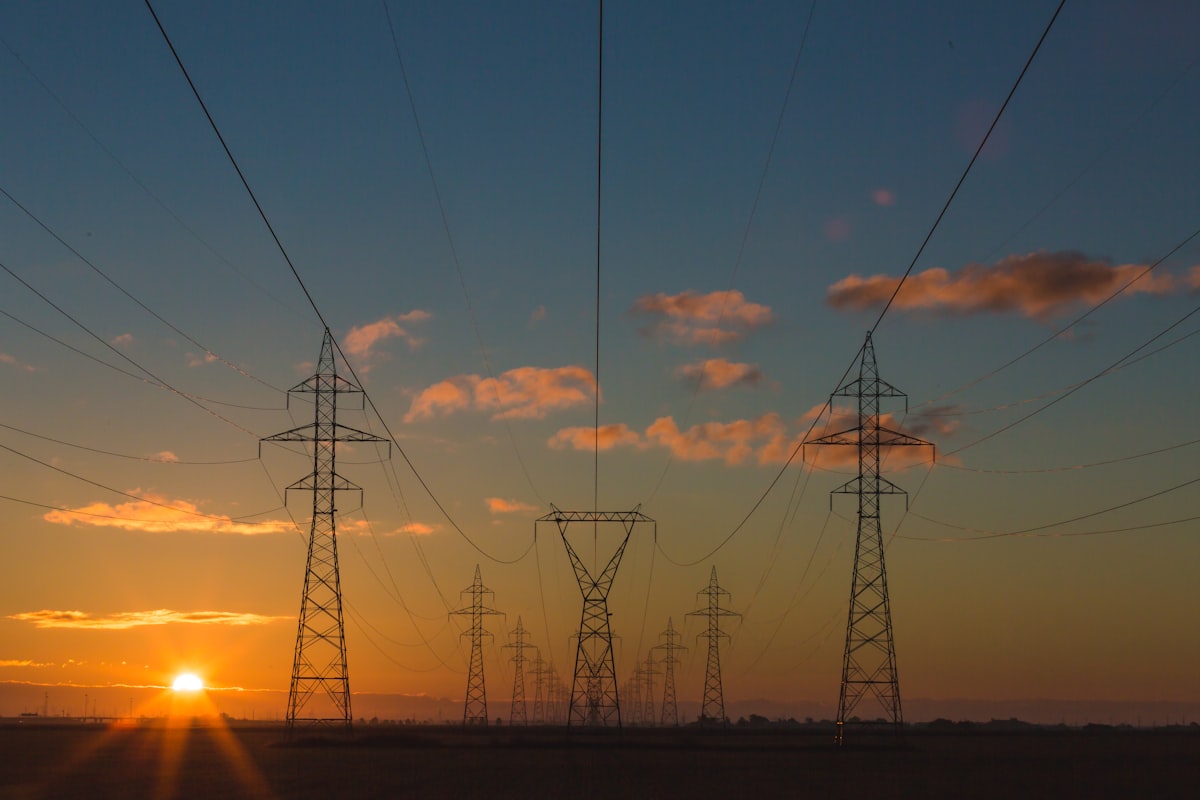
The rapid proliferation of hyperscale computing facilities has ignited the most intensive power infrastructure reconfiguration in contemporary industrial history. As server racks scale in computational density, multinational cloud operators and electrical utilities are confronting a common physical threshold: modern artificial intelligence clusters cannot expand without dedicated, round-the-clock baseload electricity.
The Power Bottleneck in High-Density Compute
Traditional regional grids—predominantly engineered around predictable municipal diurnal cycles—are buckling under the relentless multi-megawatt appetites of modern semiconductor clusters. In primary digital hubs across North America, Scandinavia, and Western Europe, interconnection queue wait times for new commercial substations have extended past 48 months in several critical transmission zones.
This structural grid congestion has triggered a fundamental strategic pivot among tech titans. Instead of passively awaiting municipal grid expansions, cloud conglomerates are directly underwriting long-term Power Purchase Agreements (PPAs) with dedicated clean power operators, financing private high-voltage transmission lines, and commissioning co-located generation facilities.
The Renaissance of Clean Baseload: SMRs and Deep Geothermal
While solar and utility-scale wind continue to supply substantial volume during peak environmental conditions, their inherent intermittency fails to satisfy the continuous, ninety-nine point nine percent uptime demanded by tier-four facilities. Consequently, institutional capital is pivoting aggressively toward zero-carbon continuous baseload options:
- Small Modular Reactors (SMRs): Factory-manufactured nuclear reactor modules capable of generating between 50 to 300 megawatts on-site, drastically compressing regulatory review timetables.
- Enhanced Geothermal Systems (EGS): Leveraging advanced directional drilling technology from the petroleum sector to extract subterranean heat from deep rock formations previously inaccessible.
- Industrial Battery Energy Storage Systems (BESS): Multi-hour iron-air and sodium-ion battery banks deployed directly alongside campus substations to smooth transient grid frequency variations.
Capital Markets Mobilize Record Infrastructure Allocations
Private equity and sovereign wealth syndicates have channeled over $85 billion into dedicated utility modernization vehicles during the past 18 months. Market analysts project that the intersection of clean power generation and high-density computing will remain among the most resilient capital expenditure categories of the next decade, redefining industrial geography around energy abundance.

